By Sarah Dugal
With Thanksgiving quickly approaching, I’ve been reflecting on Paul’s words in 1 Thessalonians 5:18, where he writes, “give thanks in all circumstances.” (NIV)
For years, I wrestled with this verse, which came off to me like a suggestion to plaster a smile over whatever was really going on: “fake it till you make it” style. It felt disingenuous to ignore feelings of lament – of anxiety, of stress, of sorrow – in favor of just pretending to be grateful.
But what if Paul isn’t advising that we ignore all that’s weighing on us? What if, instead, he’s giving us a neurological roadmap back to peace?
When we’re stressed, the amygdala (our “fear” center) in our brain communicates distress to our hypothalamus, activating our sympathetic nervous system (SNS). All of a sudden, we’re flooded with adrenaline and cortisol. More times than not, all of this feels so very out of our control; so in a world full of anxiety-inducing news, how do we find our way back to peace?
One real way to cause a neurological shift is to, as Paul puts it, “give thanks.”
Practicing gratitude – whether through prayer, journaling, or simply recounting what we’re thankful for at the dinner table – activates our parasympathetic nervous system (PNS). While we often think of our SNS triggering a “fight or flight” reaction in our bodies, our PNS tells our body that we’re safe, creating a “rest & digest” response in our bodies. Here’s the beautiful reality: our brains can’t do both at once. When we practice gratitude, we actively shift our brain chemistry in a powerful way towards peace, calm and rest. Gratitude is an incredible neurological antidote to stress.
What’s more is that consistent gratitude can actually create a positive-feedback loop in our brains. When we give thanks, our brains release dopamine – often referred to as our “feel good” neurotransmitter – which encourages us to repeat the behavior. The same neurological response that tech companies leverage to keep us scrolling – and we all know how strong THAT impulse is – can be used to keep us constantly expressing gratitude. The more we give thanks, the more we want to give thanks.
How might our brains – and our lives – change if the conversation around our kitchen tables mirrored the conversation around our Thanksgiving table all year long?
If you – like me – are looking for ways to include more gratitude in your day-to-day life (that don’t all rest on a seated dinner), others methods might include:
1. Writing a short entry each day in a gratitude journal, even if it’s just three things that are top of mind at that moment.
2. Starting a gratitude jar as a family, which you can fill with small things you’re thankful for written on slips of paper and celebrate when it’s full.
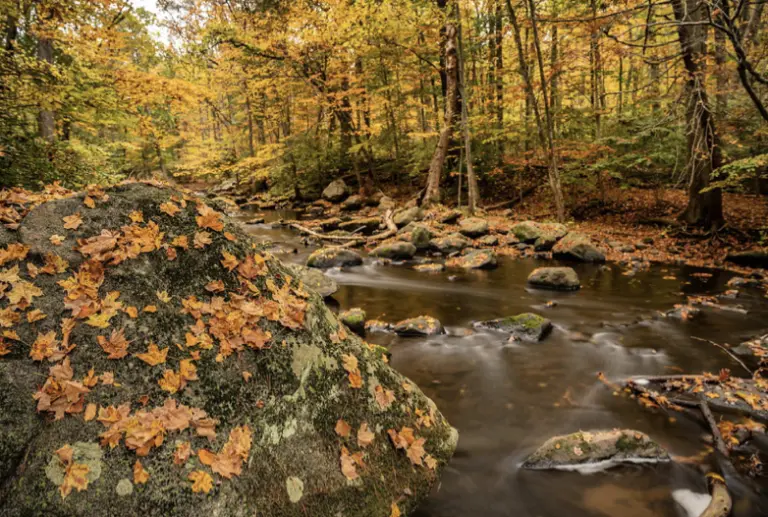
3. Going on a gratitude walk, which may open your eyes to easily overlooked reasons to be thankful, such as for the ability to breathe, the warmth of sunshine, or the colors of Fall.
4. Writing a “Thank You” note, which will not only benefit you in the course of writing, but will spread joy to the recipient.
I’ve come to realize that giving thanks in all circumstances isn’t about minimizing all that is heartbreaking & hard; it’s about paving a road back to peace – first in our minds, then hopefully in our communities. Peace is home-grown, and if we want to see it in our world, we have to cultivate it in our lives. Happy Thanksgiving, dear friends!