By Carl Franco
Going to the gym, starting a diet, finally cleaning out that closet, maybe even dusting off that résumé, every New Year’s resolution needs a dignified beginning. And let’s be honest: most of those noble intentions are born not at the entrance to the gym or in the prologue of that new diet book, but in the glow of something bubbly. Sparkling wine has a way of making even the most unrealistic resolutions feel downright achievable… at least until mid-January.
Unlike the many options I’ve covered in previous articles, the choices here are a bit more streamlined. When it comes to sparkling wine, you’re really deciding between price, region, and style. So let’s start where it all began, in the Reims area of France.
We all love the legendary tale of Dom Pierre Pérignon shouting to his fellow monks “Come quickly, I am tasting stars” after tasting a white wine that had accidentally gone through a second fermentation. It’s a great story, but like most great stories, it’s only partly true. Plenty of winemakers were already experimenting with secondary fermentation at the time, but it was Dom Pérignon who was the one who perfected the technique and I think had social media been around in the 17the Century, he would certainly been a Champagne Influencer.
I need to preface this by saying that I love champagne. While I know that Americans tend to only use champagne in celebratory settings, the truth is champagne is not just for toasting, it’s a versatile and elegant wine that can enhance a wide variety of dishes. The wine’s crisp acidity, fine bubbles and complex flavor profile makes it the perfect partner from casual appetizers to sophisticated gourmet meals. The high acidity cuts through rich and fatty dishes while the bubbles adds a delightful texture and enhances the flavors of your meal. This is why Champagne pairs well with elegant classics like caviar and oysters, but also comfort foods like fried chicken and fish tacos. Most champagne is made from chardonnay, pinot noir and pinot meunier, but as you get to other parts of the world’s wine growing regions, you will find other varieties that are used.
So, whether you are sipping on a fine bottle of vintage champagne or a non-vintages sparkler from another part of the world, all these wines will elevate your dining experience.
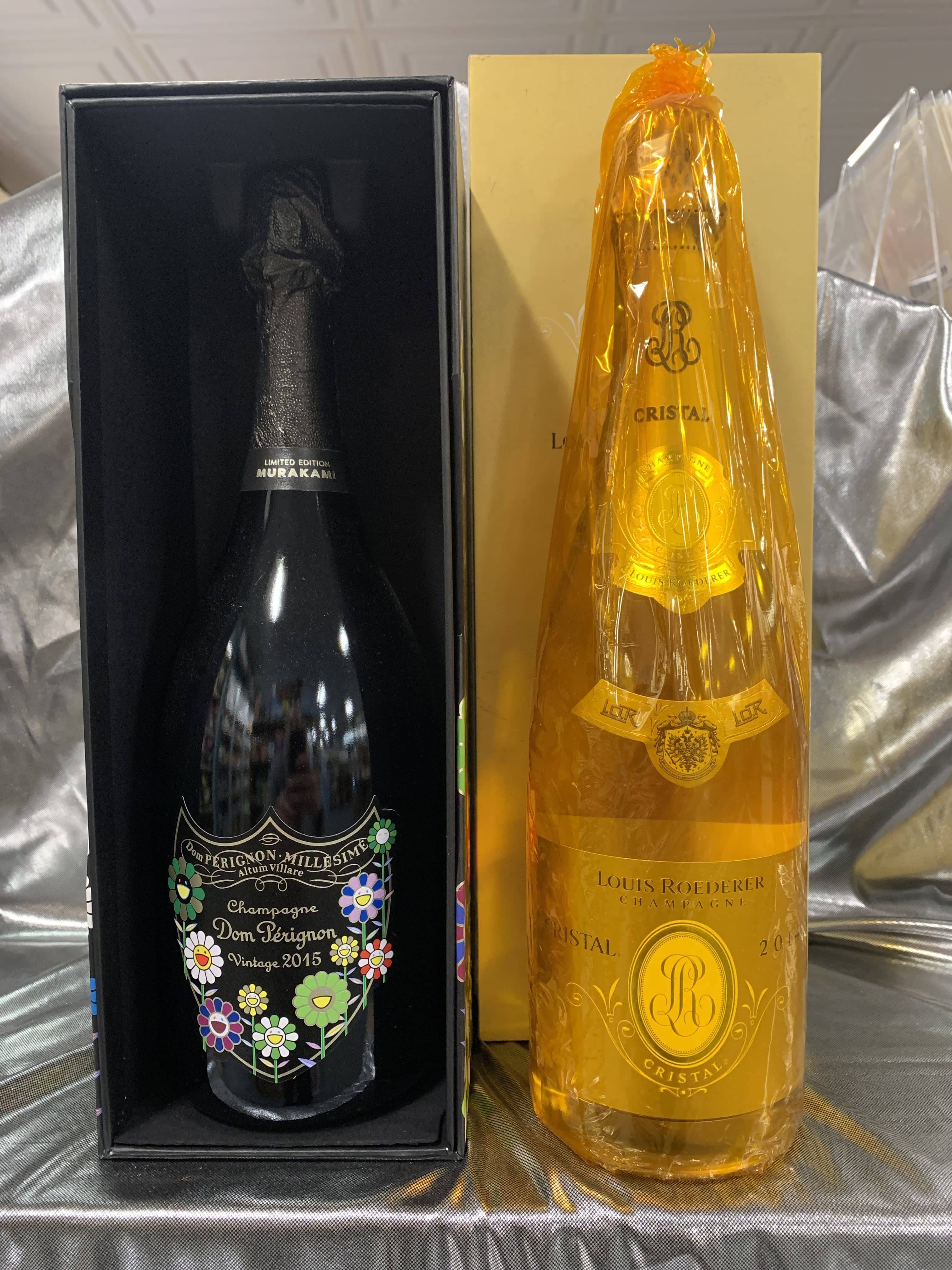
Ok, now that my lecture is over, let’s get down to business. If you want to ring in 2026 in true vintage style, the 2015 Dom Pérignon and the 2014 Louis Roederer Cristal are certainly the headliners. A bit more down to earth is the 2015 Moët & Chandon Vintage Champagne.
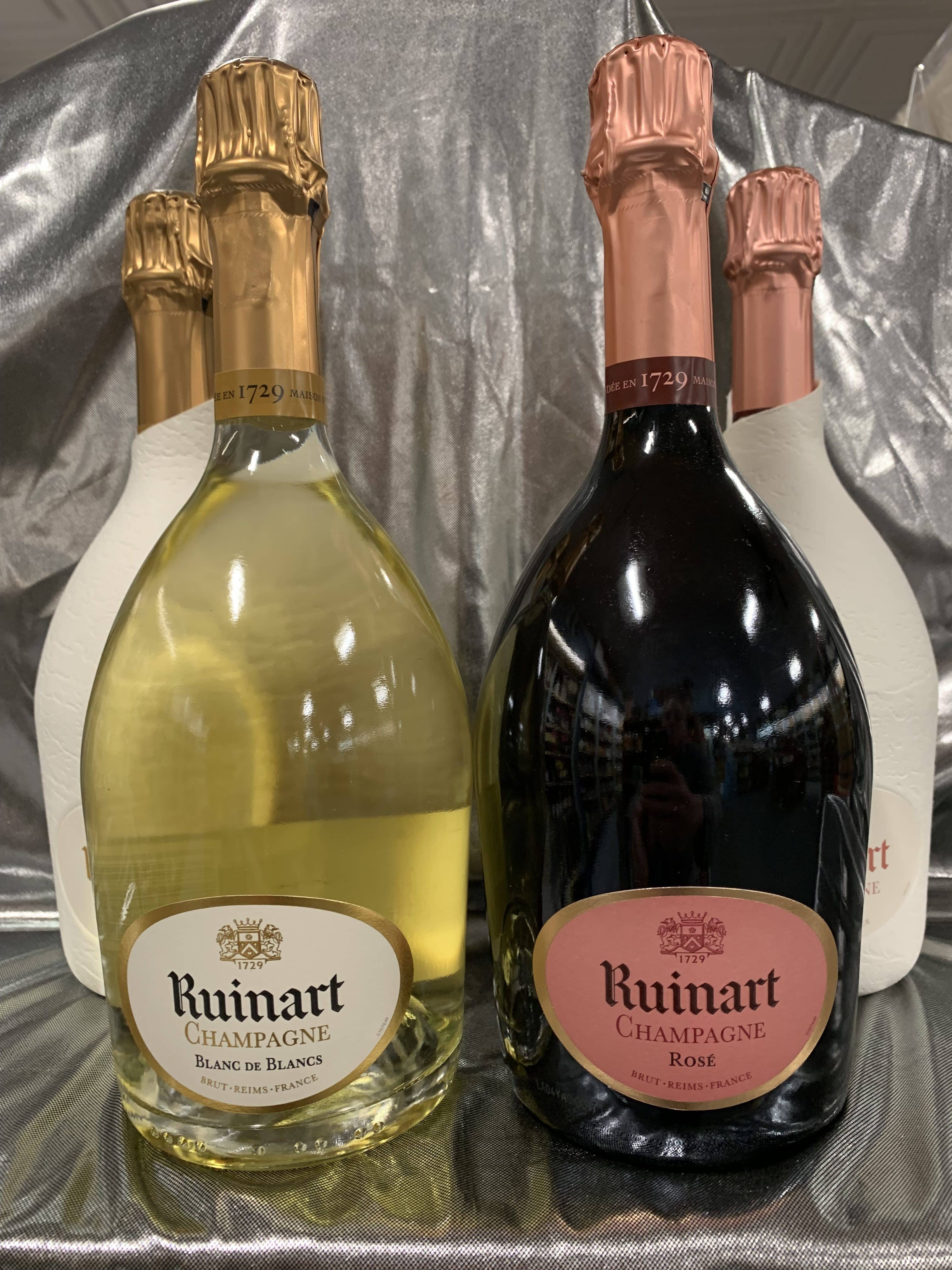
On the non-vintage side, Ruinart’s Blanc de Blancs and Rosé are always welcome additions to any celebration.
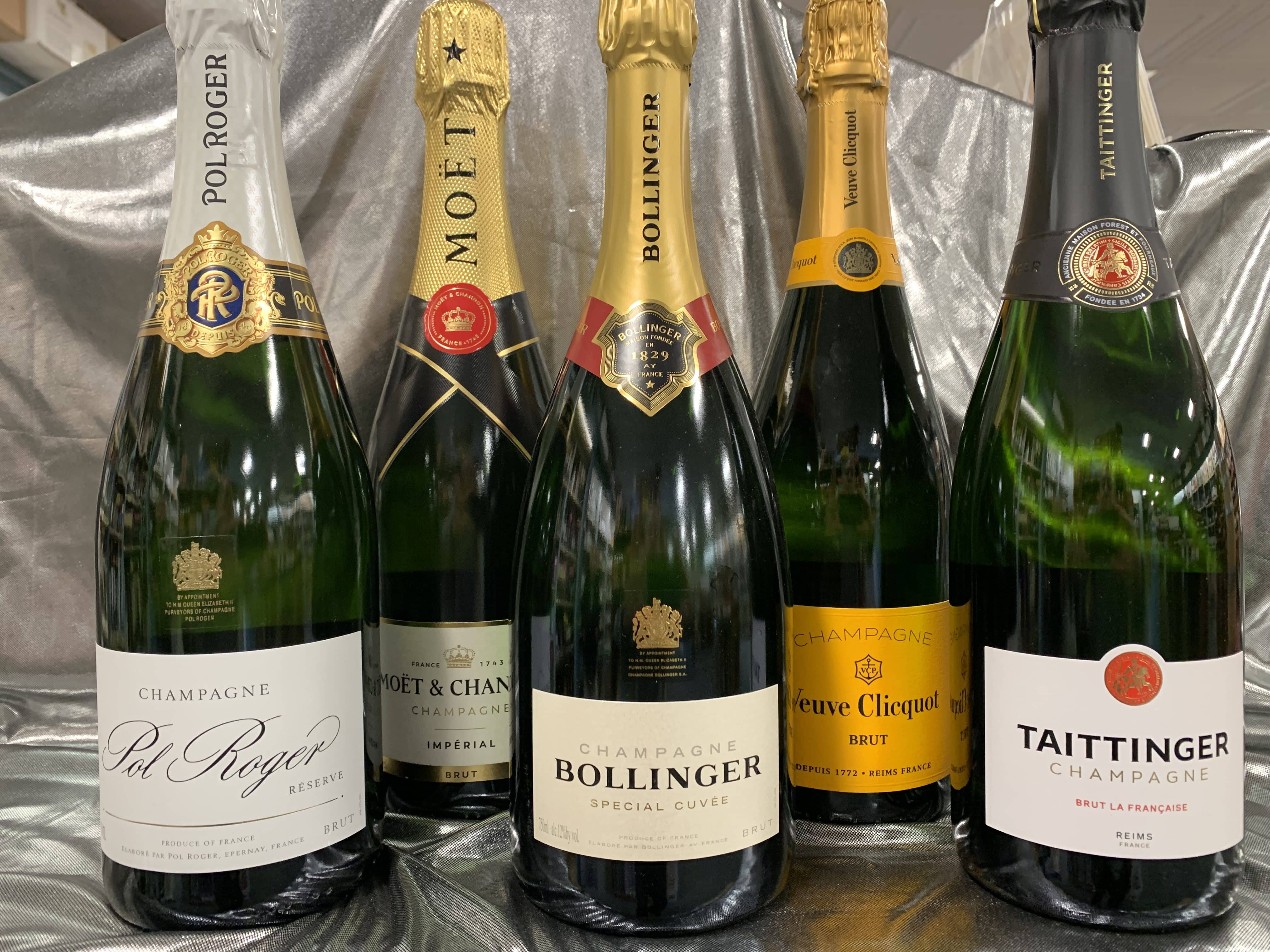
Bollinger, Veuve Clicquot (both Brut and Rosé), Taittinger, and Moët remain classic and dependable choices, and we can’t forget Pol Roger, Winston Churchill’s favorite.
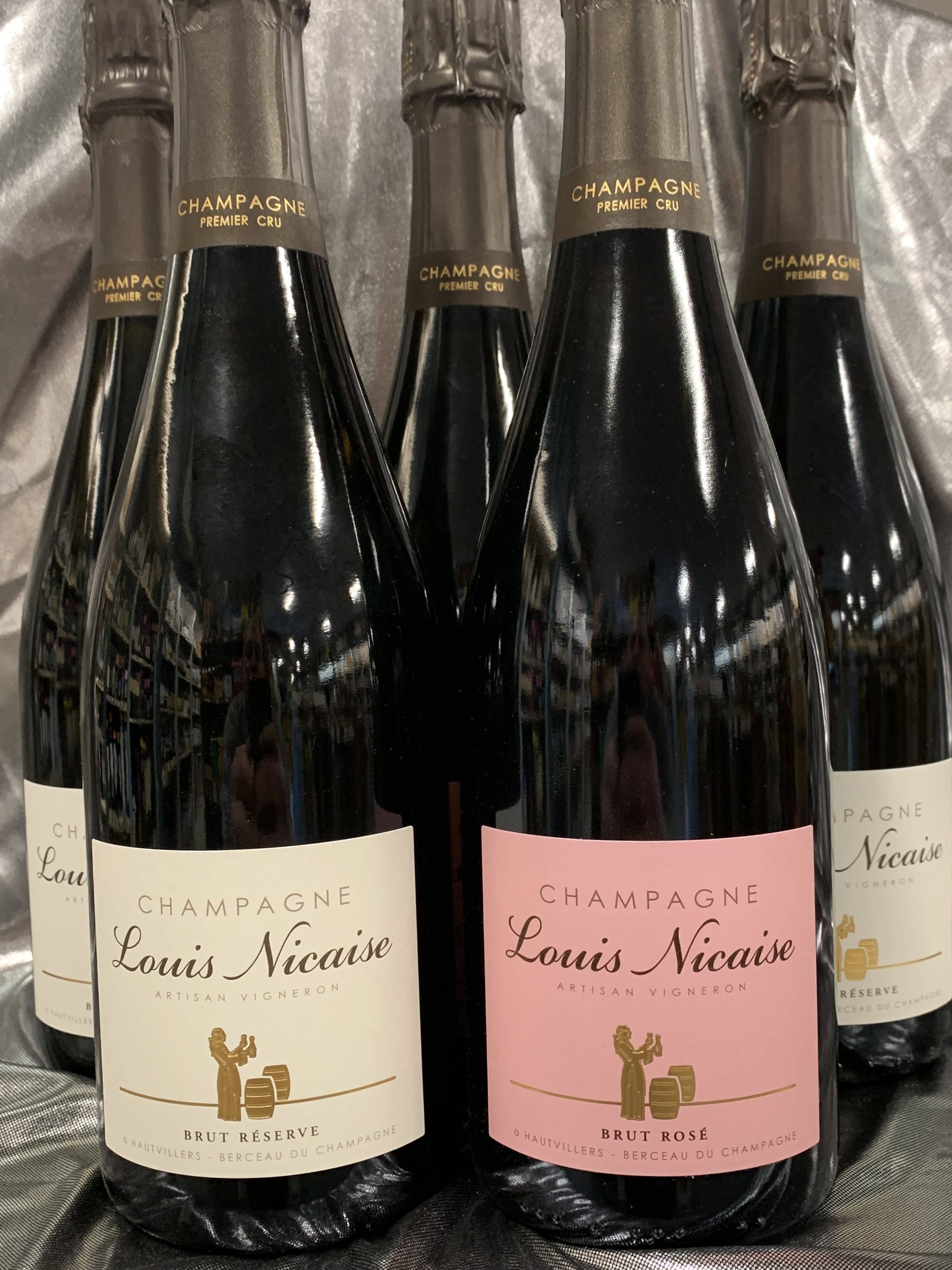
But if you’re not afraid to wander off the major-label path, one of my favorites is a small grower Champagne called Louis Nicaise. Grower Champagnes are simply small producers who bottle their own wine. Louis Nicaise offers both Brut and Rosé, and not only are the prices significantly lower, but the quality easily rivals the big names.
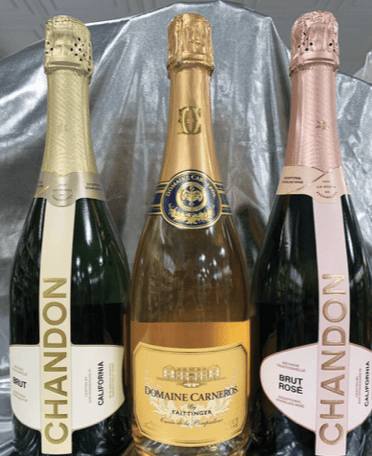
If you prefer your bubbles from the United States, you’re in luck. Many French houses have established wineries in California, producing some truly impressive sparkling wines. Two standouts are Chandon (from Moët) and the Domaine Carneros Rosé (from Taittinger). We also carry the all-American Schramsberg, available in both Blanc de Blancs and Rosé, each consistently popular and reliably delicious.
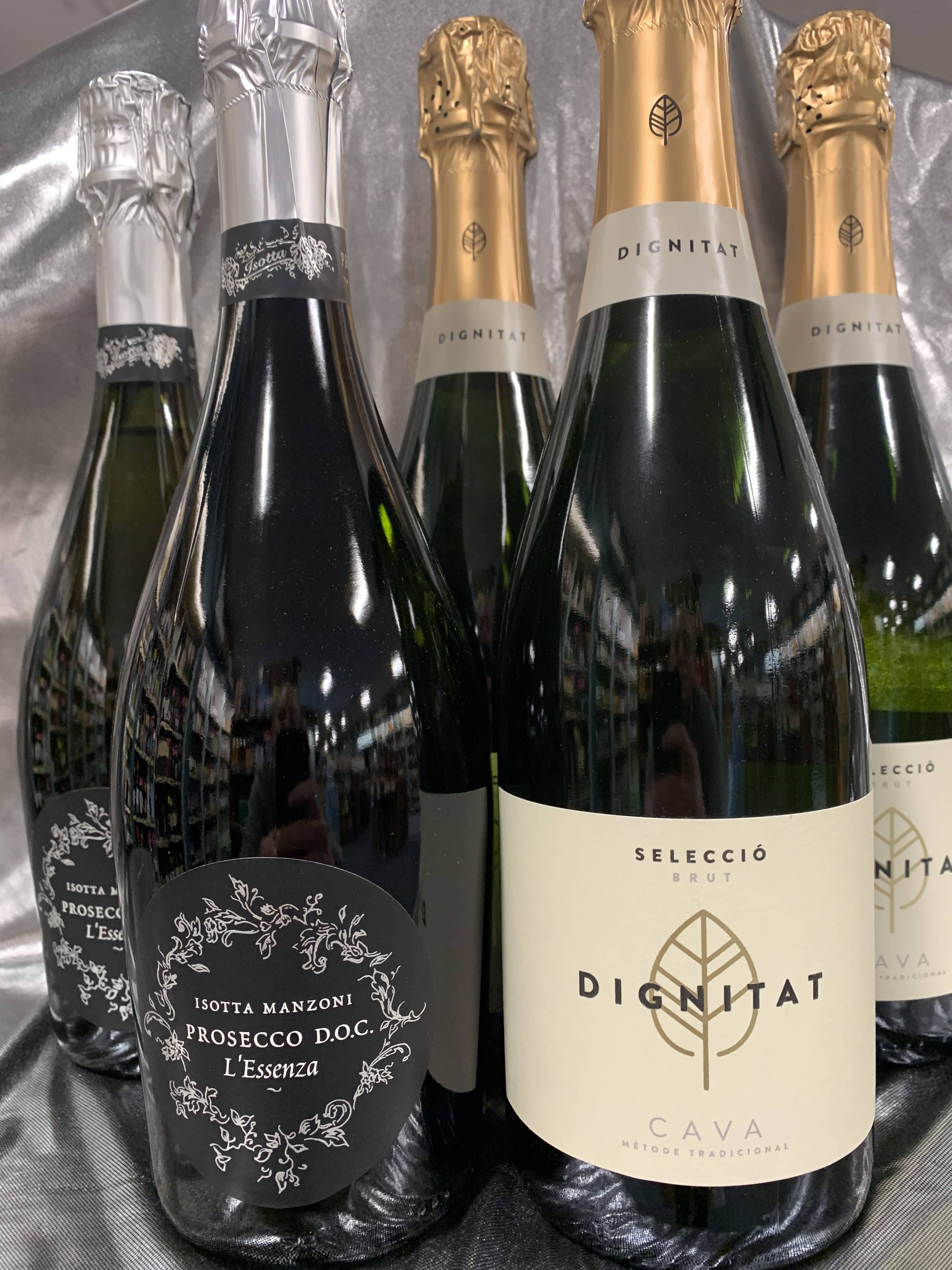
Of course, you can’t talk about sparkling wine without mentioning Prosecco (Italy) and Cava (Spain). Prosecco dominates the market, and while there’s no shortage of options, my top pick is the Isotta Manzoni L’Essenza. I never like to knock other brands, but there’s one extremely popular Prosecco that holds a huge share of the market largely because people unknowingly like it as it is the sweetest. It always surprises me when someone insists they like a dry Prosecco but reaches for that particular bottle, especially when I tell them it has the highest sugar content of any Prosecco we carry.
Moving over to Spain, if you truly prefer dry sparkling wine, the Dignitat Cava is where you want to land. It’s crisp, clean, and significantly lower in sugar than most Prosecco. This single vineyard Cava is crafted organically and made using the traditional method, the same process as Champagne where the second fermentation happens inside the bottle, creating finer bubbles and more complex flavors.
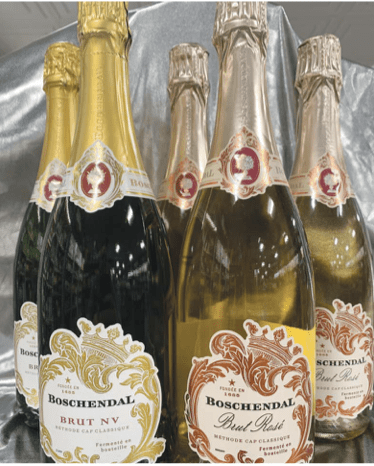
My last stop is South Africa, where the Boschendal Brut and Brut Rosé shine. The Brut is a classic, dry sparkler which is perfect with oysters or seafood, while the Brut Rosé, with its bright red-berry notes, pairs beautifully with salmon and charcuterie.
However you choose to ring in the holidays, bubbles really do deserve more than a quick sip. I found that with all the champagne and sparkling wine I taste-tested this season, these are the best options. As we head into 2026, your resolutions may fizzle, but your bubbles should not.
Carl Franco is the proprietor of Francos Wine Merchants in New Canaan.