Recipes, Wines, and a Few Thoughts In Between
By Carl Franco
April has arrived, and whether you’re celebrating Easter, Passover, Earth Day, or just the fact that you finally stored your winter coat for the season, there’s a wine for that.
The good news is that spring brings some of the best ingredients of the year. After a long winter of root vegetables and hearty stews, markets begin to fill with the first fresh flavors of the season. These vegetables are bright and cheerful and taste like they just woke up from a long winter nap. And when it comes to the main event, spring lamb and ham step confidently into the spotlight, pairing beautifully with those vibrant, just-picked vegetables. What brings it all together? Well, wine, of course. So let’s take a quick look at bottles that are perfect for welcoming the warmer days and spring celebrations ahead.
Spring Fling
Nothing ushers in the season quite like a traditional pasta primavera, made with fresh peas, whether spring peas, English peas, or snap peas in their tender pods. This classic dish, with its medley of peas along with other seasonal vegetables in a simple combination of olive oil, butter, garlic, and Parmesan, works beautifully as both a main course or as a pasta course for a larger meal. You could also try something a little off the beaten path, like pasta with peas and brown butter which is another example of a recipe that lets the vegetable be the star of the show. So what wine would you turn to? I have a couple of suggestions.
Gavi di Gavi – This northern Italian white wine is a vibrant, dry white from Piedmont made exclusively from Cortese grapes grown within the Gavi commune. While I carry several in my shop, one of my favorites is the Tenuta Il Bergo Gavi. This wine has a straw-yellow hue with subtle golden highlights and offers an inviting bouquet of citrus zest, delicate white flowers, and hints of apricot layered with a subtle hint of mineral.
Ribolla Gialla – Staying in Northern Italy, you will find the indigenous Ribolla Gialla grape and one standout in the group is the I Clivi A Tessa Ribolla Gialla. Grown in marl and sandstone soil, this wine presents light golden with a slight note of lemon peel on the nose. Nuances of white flower a crisp acidity and a soft saline finish sets this wine apart from other white wines in the region. The stainless steel fermentation preserves the freshness of this wine and keeps it clean and elegant.
If you lean toward more savory vegetables in the spring, you’ll notice that garlic ramps, fiddleheads, and spring onions have become increasingly popular in recent years, finding their way into dishes like risotto, quiche, and a variety of pastas. Their appeal lies in the bold, fresh flavors these early sprouts bring to the table. Once again, though, it’s the choice of wine that plays a key role in helping those flavors truly blossom. Here are a couple of options to consider.
Pinot Grigio – I know what you’re saying, ho-hum pinot grigio. Well like many grapes they become ho-hum because once Madison Avenue find something they know the public likes, they hit you over the head with it ad nauseum until it has all the cache of a fake Rolex. So if you can tear yourself away from the mass-marketed Pinot Grigio’s, my suggestion would be the Pighin Pinot Grigio, Collio. This estate-grown pinot grigio hails from the hillside vineyards in Friuli’s prestigious Collio region. This wine not only has depth of flavor, but the notes of banana, pineapple and acacia blossoms provide a mouthful of flavors that enhance, rather than steal from the food with which it is being served. Pick up a bottle of well-produced Pinot Grigio and see what you have been missing.
The Problem Child
Now we move on to the problem child, asparagus. Populating the produce and farmer’s markets in the spring, it has a reputation of being very wine unfriendly. One way to tame the taste of this vegetable is with egg, and most people do so with a hollandaise sauce. But if you have never made Pasta con Asparagi, this is where you want to go. This recipe developed by Craig Clairborne pairs asparagus with tomato and eggs. While the egg does make this wine more palatable you will still get many opinions as to what wine works best. What grape am I choosing this season? Vermentino.
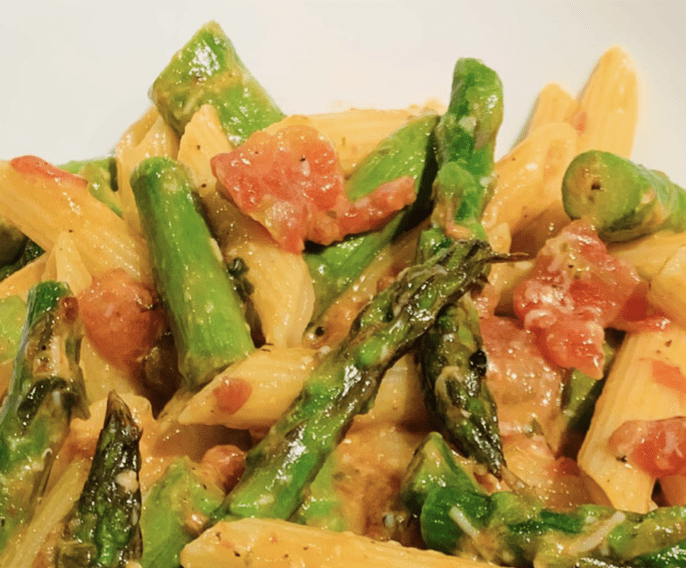
Agricola Punica Samas – This wine from Sardinia is 80% Vermentino and 20% Chardonnay. It’s well-balanced with bright tropical fruit notes and Mediterranean herb notes such as sage all leading int a mineral-saline finish. This wine is one of many Vermentino on the market so if you can’t find this one, listen to your trusted wine merchant about which one to select.
Mary Had a Little Lamb Chop
For those of you hosting holidays gatherings this spring, please don’t serve turkey. I know it’s a popular choice because it’s familiar and fairly foolproof, but turkey already had its moment at Thanksgiving and Christmas. Spring deserves something more fitting, namely, ham or lamb.
When it comes to lamb, the options are plentiful, whether it be a leg of lamb, a plump lamb roast, an elegant crown roast, or even straightforward lamb chops. Its rich, distinctive flavor is beautifully complemented by the first fresh herbs of the season such as thyme, sage, rosemary, and of course, the classic pairing, mint.
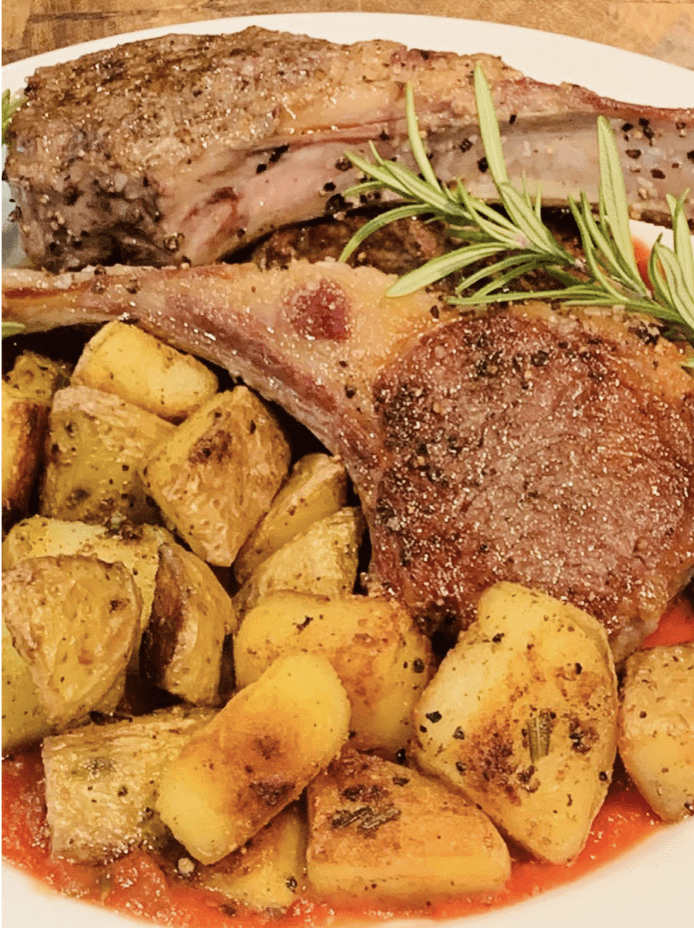
So where do we turn for wine? There’s really one natural destination, the Rhône Valley. With its warm climate and grape varieties like Grenache, Mourvèdre, Cinsault, and Syrah, the wines from this region are tailor-made for the savory depth of lamb and the aromatic lift of spring herbs. What wines come to mind? Let’s take a look.
Châteauneuf-du-Pape – This is one of the most iconic appellations in the Rhône Valley, known for producing rich, powerful red wines. These wines are full-bodied and expressive, offering flavors of ripe red and dark fruit, spice, herbs, and a signature earthy note. If I were serving lamb this season, I would definitely consider the Château La Nerthe Les Granieres. This Châteauneuf-du-Pape with its depth and structure is a natural match lamb, especially when seasoned with classic Mediterranean herbs.
Côtes du Rhône – Are relatives descending on our house like the plague of locusts in Exodus Chapter 10 of the Bible? Well unless you have Judas’s 30 pieces of silver laying around you’re probably not serving Châteauneuf-du-Pape. Thankfully we have Côtes du Rhône, a versatile and approachable wine of the region. Most of these wines are blends built around Grenache, often supported by Syrah and Mourvèdre, resulting in medium- to full-bodied wines with ripe red fruit, peppery spice, and soft, easygoing tannins and still a great match for your holiday lamb. While I have several in my shop from which to choose, the Château de Montfrin with its generous flavor and easygoing price, will keep everyone at the table happy.
All this being said, there are also plenty of Rhone style blends grown outside of the region that also pair well with various game meat such as lamb. One that comes to mind is the Château les Valentines Côtes du Provence. This wine is blend of Grenache, Syrah, Mourvèdre, Carignan, along with Cabernet Sauvignon. While we often think of Rosé wines from this region, the red wines from Provence deserve some praise and this bottle is certainly worth seeking out.
Hamming It Up
When it comes to ham, there are countless ways to prepare it, brown sugar glaze, bourbon glaze, mustard glaze, and the list goes on. A staple on many tables, ham offers plenty of variation, but the goal with any preparation is the same: to tame the salt. And that’s where our food-friendly companion comes in, Riesling.
Riesling works so well with ham because it hits all the right balancing notes on the palate. Ham is naturally salty and often the glaze used on a ham has a sweet base and you need a wine that can handle both elements.
Riesling typically has a touch of residual sugar, which softens the saltiness of the ham, while its bright acidity cuts through the richness and keeps everything from feeling heavy. On top of that, the flavors commonly found in Riesling, such as apple, and various stone fruits, both echo and complement the glazes we often adorn ham with, from brown sugar to honey to even bourbon. It’s that sweet/salty/acidic harmony that makes Riesling such a natural, almost effortless pairing. The Emrich-Schonleber Riesling Trocken (dry) would make for an excellent choice. as would the Kruger Rompf Riesling. Red wine with ham gets a little trickier with the saltiness, but if you do want to try one, you are probably best off with Gamay grape. Cru Beaujolais such as Château des Jacques Moulin-A-Vent or Château des Jacques Morgon come to mind. Its bright acidity, mid-weight body, low tannins, and vibrant red fruit flavors (cherry, strawberry) perfectly cut through the saltiness and richness of smoke and glaze providing a refreshing balance to the meal.

Hopping Down the Bunny Trail
As the seasons shift, so too does the rhythm of our tables, bringing a spark to this season of renewal, and not just in the weather, but also in the ingredients and wines we reach for. Spring invites us to brighten our cooking with its bounty of fresh produce, to revisit favorite recipes, discover new ones, or reimagine old classics. As this happens, we should also look to pair them with wines that reflect the same energy and lift. After a long winter, it’s worth taking a moment to slow down and savor the season as summer will be here soon enough. Consider these ideas a starting point and let your own tastes lead the way. This along with a little guidance from your trusted wine merchant, you’ll soon be hopping happily down the bunny trail.