By Carl Franco
Yes, I’m late to the party. Cinco de Mayo came and went and I did not get this article done before May 5th, so let’s just call this Catorce de Mayo. I’m not worried anyone will mind, because Cinco de Mayo means tacos and tequila, and they’re welcome any day of the year. I can’t quite recall when this holiday became such a big event, but it was definitely not around when I grew up. Tacos back then came in a little kit, with some canned salsa, a spice packet and a dozen stale taco shells, and we thought it was fabulous.
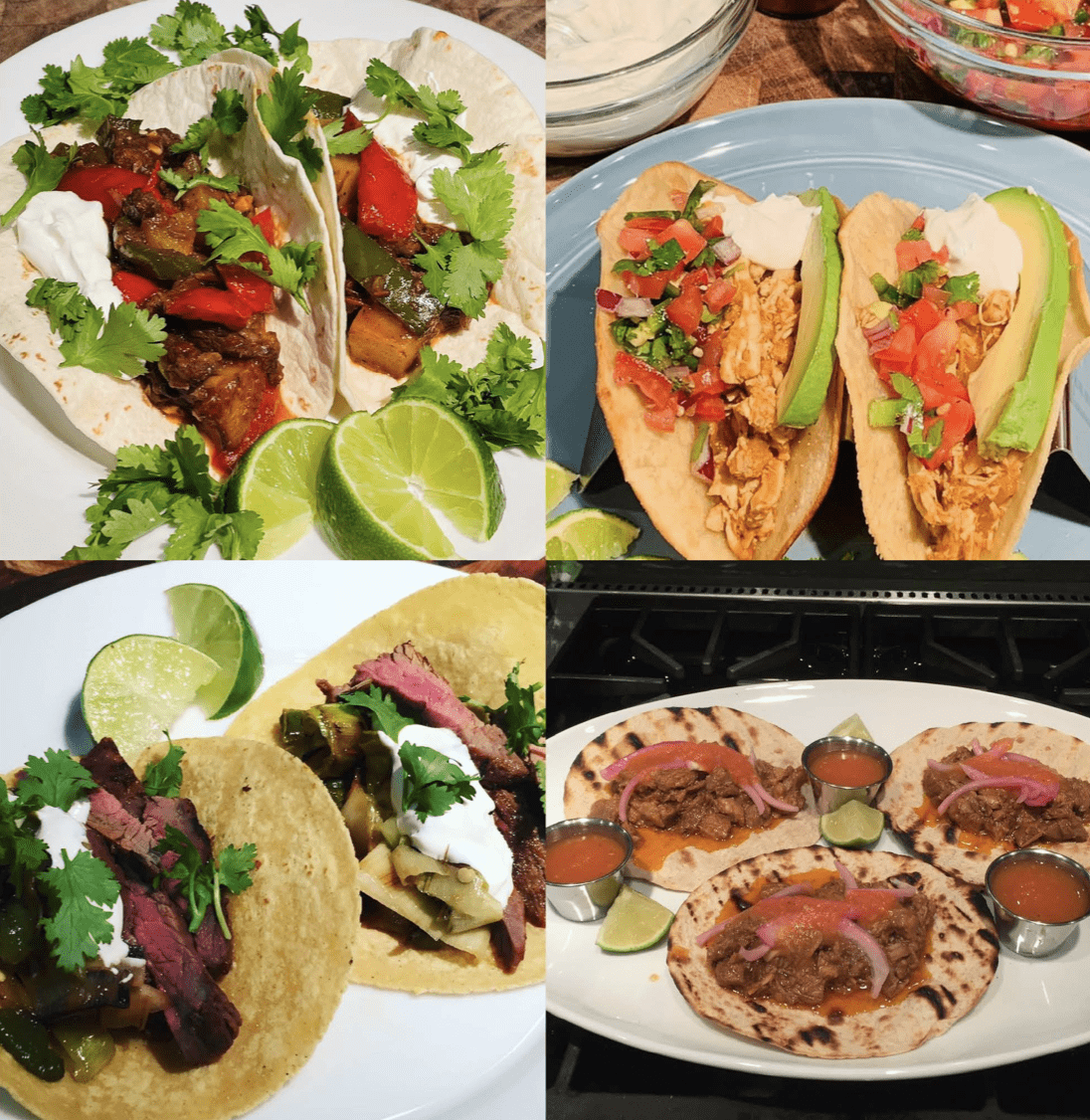
Thankfully, tacos have come a long way from those boxed kits. To (somewhat) paraphrase what Gold Hat said to Humphrey Bogart in The Treasure of the Sierra Madre: “we don’t need no stinking taco kits”. Today not only are there are plenty of taco choices, but we have learned that there is so much more to Mexican cuisine. There are the taco classics: al pastor, carne asada, carnitas. Sharing space with them are the regional favorites: Baja fish tacos, chicken tinga, and birria tacos. Then there are the modern curveballs: shrimp tacos, vegan tacos, even dessert tacos if you’re feeling rebellious. This is all without wandering into the extended family such as quesadillas, taquitos, empanadas and tamales. So where does this grand taco evolution lead us in the spirit world? Naturally, and perhaps inevitably: tequila.
The Confession
I don’t know that much about Tequila; wine is my home base. For me, wine whispers the tales of its region, grapes and the journey it takes from vineyard to bottle. Tequila, however, does not whisper. Unlike wine’s gentle murmur, tequila is that boisterous friend who invades your personal space and speaks at unnecessary loud volumes. Tequila is all at once magical, potent and leads you down unpredictable paths until you find yourself holding up a numbered plaque with height markings on the wall behind you. Tequila has me shouting comments to Wheel of Fortune contestants which makes for an awkward confessional visit the following Saturday. But mostly tequila finds me waking up on the couch post-midnight where Netflix is mocking me by asking “are you still watching?” when it very well knows the answer. Given these effects, I limit my tequila indulgences. So now that my tequila tolerance is out of the way, let’s learn some facts.
All Roads lead to Agave
Tequila begins with the agave plant, a spiky desert succulent native to Mexico. While there are many agave species, true tequila can only be made from blue agave, grown primarily in the state of Jalisco and a few surrounding regions. Farmers, harvest the plant by cutting away its sharp leaves to reveal the heart, or “piña.” These piñas are cooked to convert their natural starches into fermentable sugars, then crushed to extract juice, fermented with yeast, and distilled (usually twice) to produce tequila.
Once distilled, tequila is categorized by how long it’s aged. Blanco (or silver) is usually unaged or rested briefly, delivering bright, peppery agave flavors. Reposado is aged in lightly charred oak barrels for about two months to a year, softening the spirit with hints of vanilla and spice. Añejo is aged from one to three years (also in lightly charred oak barrels), developing richer notes of caramel, oak, and dried fruit. Extra añejo (aged even longer) can often resemble fine whiskey. Each style offers a different expression of the same core ingredient, making tequila as versatile in cocktails as it is for sipping neat.
Mezcal – The Evil Twin?
“Then what is mezcal?” you ask. Tequila and mezcal are close relatives, but they’re not quite the same thing. Tequila is made specifically from blue Weber agave and is typically produced using more controlled, industrial-style processes, which gives it a cleaner, brighter flavor profile with citrusy, peppery notes. Mezcal, on the other hand, can be made from many different types of agave and is traditionally roasted in underground pits, giving it that signature smoky, earthy depth. Both spirits are deeply tied to Mexican culture, but tequila tends to be more regulated and geographically restricted. If you’re thinking about them socially, they’re like fraternal twins (more so than identical). Both are agave spirits from Mexico, but mezcal is the wild, brassy twin with a more rustic personality, while tequila is the smoother, more polished twin more likely to follow the rules of etiquette at a fiesta.
The Early Pájaro Gets The Worm
While the worm is long gone from the tequila bottle, the good news is that tequila selection has grown and improved significantly over the past several years. The most popular choices these days are “non-additive” tequilas. Under current regulations, producers are allowed to add up to 1% of certain substances, such as caramel coloring or oak extract, to influence color and flavor.
Non-additive tequilas, by contrast, are aged naturally in barrels and contain no artificial coloring or flavoring. Is this a deciding factor when choosing a tequila? For most people, not necessarily, but it does make for a nice option when selecting a tequila.
So, what tequilas would I suggest? Here are a few to consider for your bar:
Blanco – Espolòn Blanco Tequila, LALO Tequila Blanco, Curamia Blanco Tequila
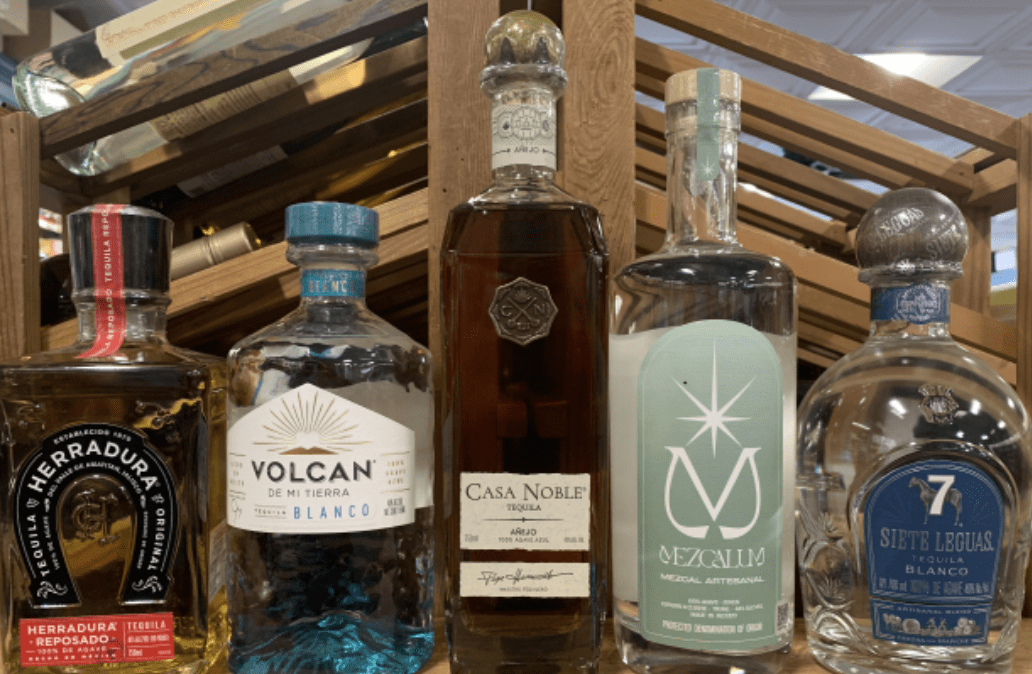
Reposado – Casa Noble Reposado Tequila, Herradura Reposado Tequila, Casa Dragones Reposado Tequila
Añejo – Siete Leguas Añejo Tequila, Hermosa Añejo Tequila, La Pugla Añejo Tequila
And if you’re in the market for something special, the tequilas below—whether extra añejos, carefully crafted añejos, or premium blended aged expressions—are worth considering: Volcán de Mi Tierra XA Tequila, Don Julio 1942 Tequila, and Marqués de Casa Noble Tequila.
Mixing it up
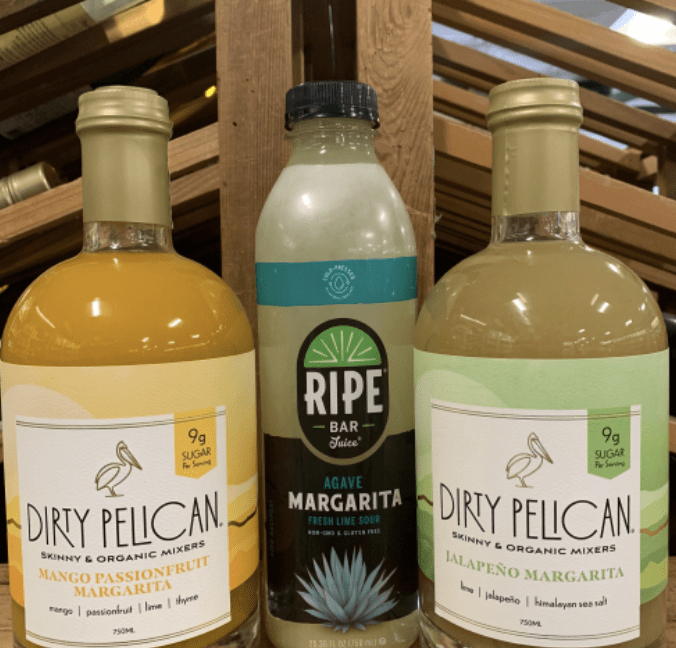
Lastly, let me just talk briefly about mixes. While there are plenty of tequila cocktails such as Ranch Water, Paloma and Mexican Mule, by far the most popular is a Margarita. While I applaud those who take the time to squeeze fresh limes, there are a few good mixes on the market. I will mention the two that we carry.
Dirty Pelican – These mixers come in a variety of flavors, most notably, Jalapeno Margarita, Skinny Margarita and Mango Passionfruit Margarita. These mixers are all natural, low in sugar (7 to 9 grams depending on the flavor), and low in calories and are worth checking out.
RIPE Bar Juice Agave Margarita – This mix delivers a fresh, craft cocktail experience with just four simple ingredients, limes, oranges, organic agave nectar, and pure filtered water and designed for consistently delicious margaritas and the next best thing to squeezing your own limes.
My final note on this topic is much like my advice when buying wine: If you’re wandering into unfamiliar territory, ask for help. That’s the advantage of shopping with a reputable store as they, like us here at Francos, are always happy to guide you. What Francos cannot do, however, is account for the pile of Amazon packages that mysteriously appear on your doorstep the following morning after tequila takes the wheel.
Carl Franco is the proprietor of Francos Wine Merchants.