The New Canaan Sentinel asked several members of Community Baptist Church for their views on:
1) What Black History Month means to them, and 2) What they would like to say about it fifty years in the future. This is what they said.
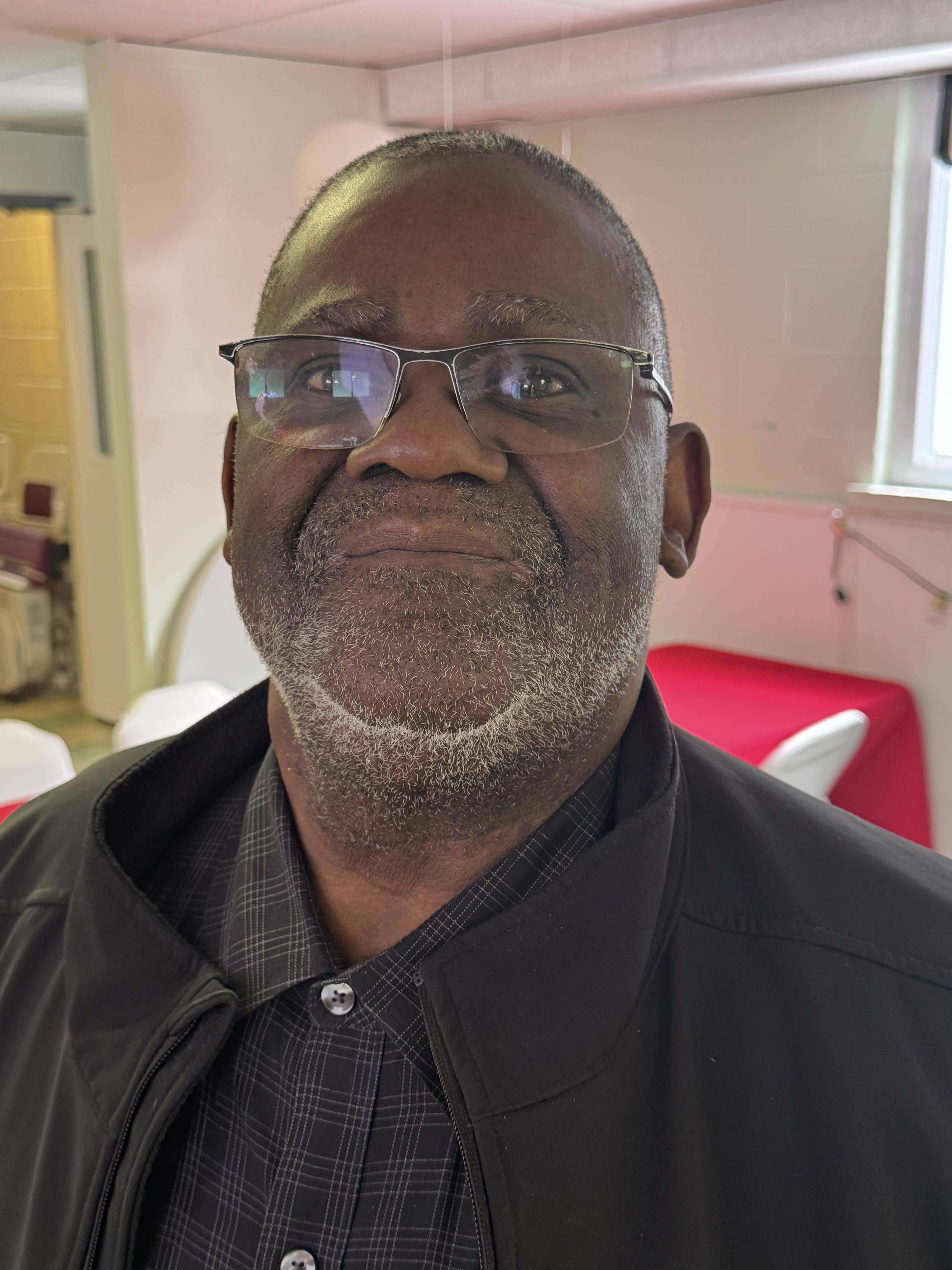
Dallas Ruffin
Black History Month is “knowing about your past history, of your people,” emphasizing all that Blacks have been through, and taking note of their knowledge and struggles to survive. And in fifty years? “I just want all people, all colors, just to be together.” He notes that God doesn’t care about anyone’s background or where they come from. He hopes for “No racists. This togetherness — all in one.”
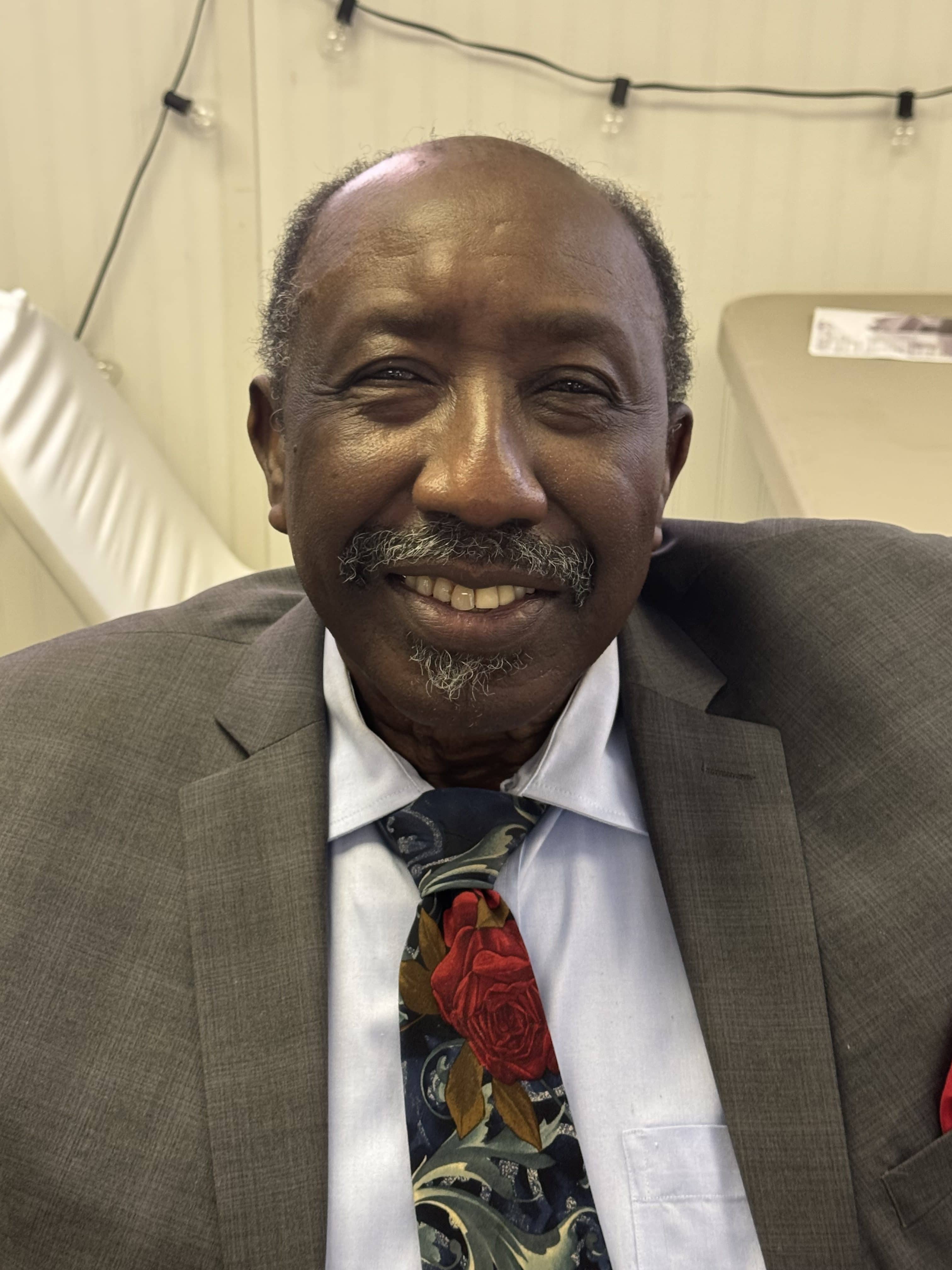 Willie Blue
Mr. Blue was born on a plantation in the South in the 1940s, and said that “being born on a plantation was very, very difficult.” Despite that, he knew that “God was good, through all the trials and tribulations that I faced,” going on to note that Black history has shown him that the faith that he was taught and raised on has brought him to a point in life where he wants for nothing, there’s nothing he can’t do, and there’s “nothing that I regret from being Black.” He says that “Black history taught me that I can stand for what I really am: a child of the living God.” And in fifty years? Mr. Blue hopes things will be twice as good as they are today, “even though they are good.”
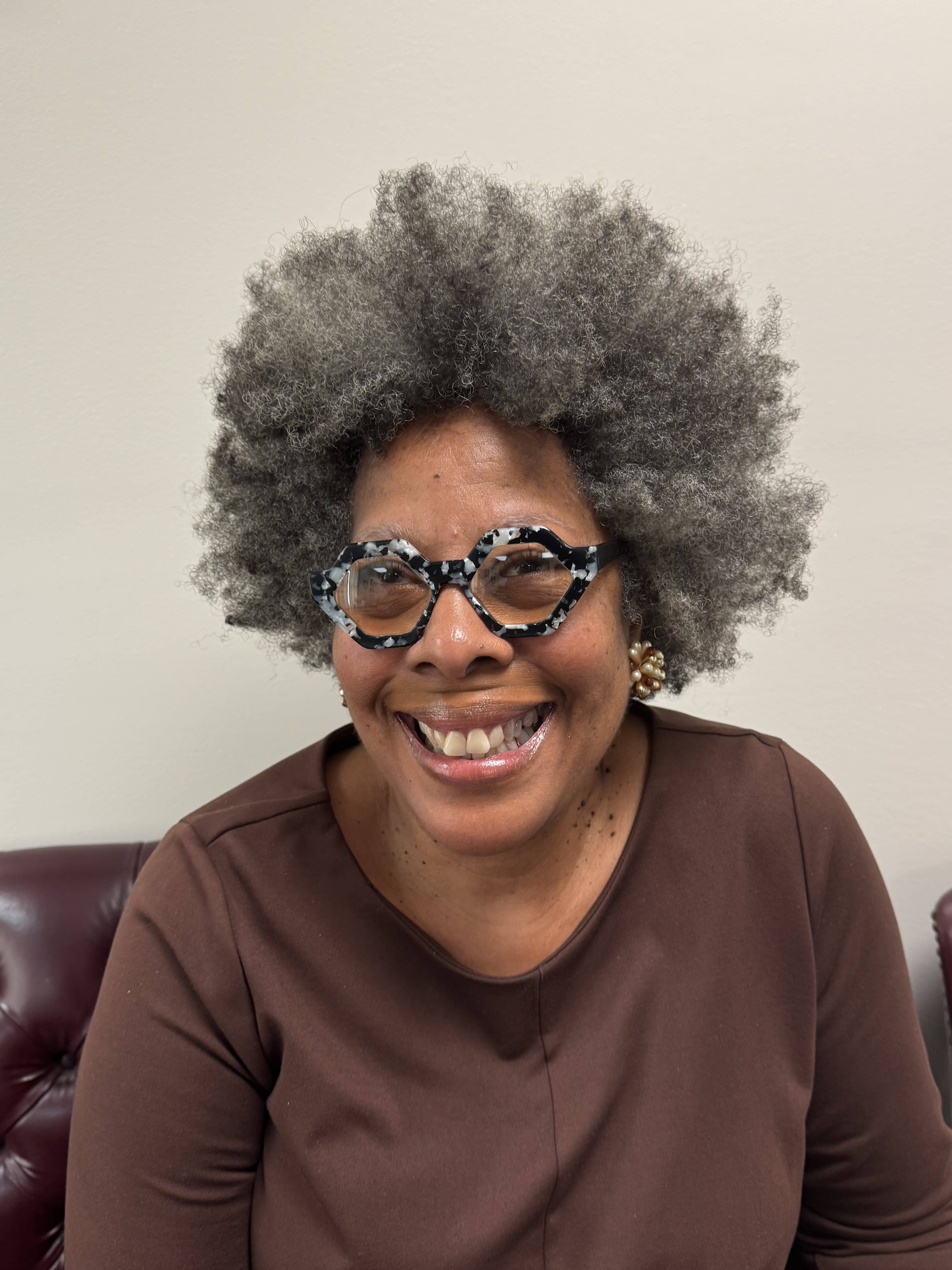
Kim Bianca Burgess
“Black History Month is a reminder of the opportunities that we have as Black Americans to continue to build upon the work and toil that our forefathers have done so that we can live in the freedoms and liberties that they fought for.” And in fifty years? “I would like to say that our youth now have recognized Black History Month as a point of pride and privilege, and taken every opportunity to maximize that instead of squander it.” She does not want them to “possibly relive the past being not necessarily enslaved in chains, but now enslaved in their thinking, enslaved in their finances, enslaved in their relationships.” She hopes they will use “life’s lessons as a platform for growth and stability.”
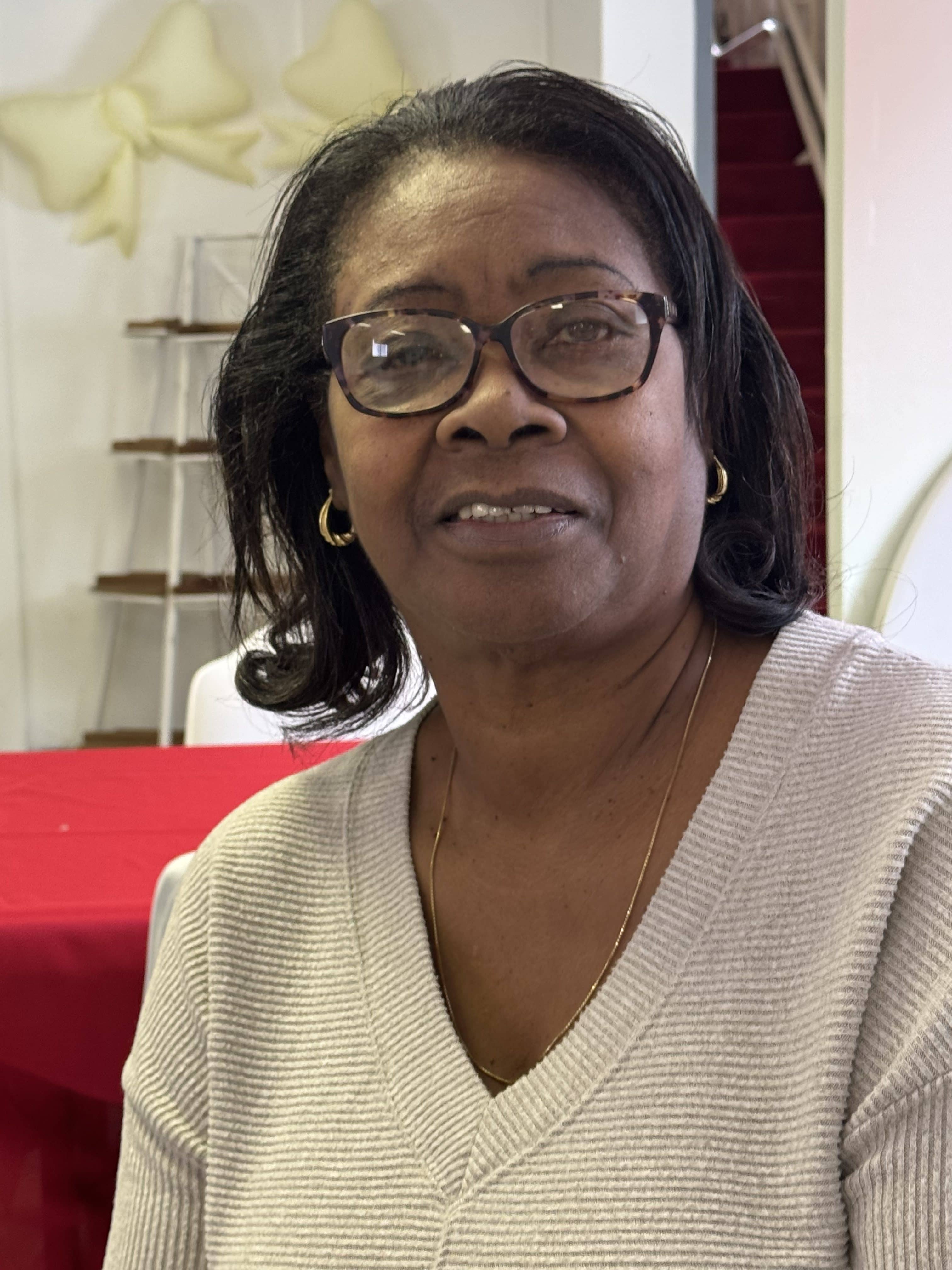 Joann Eason
Black History Month means “my inheritance, where I come from and actually where we are going to.” She went on to note that “there’ve been some changes, but there’s a whole lot more I would love to see.” And in fifty years? “That we will be welcome.” She concluded by saying that Blacks have come “a long way, yes, Okay. There’s more to do.”
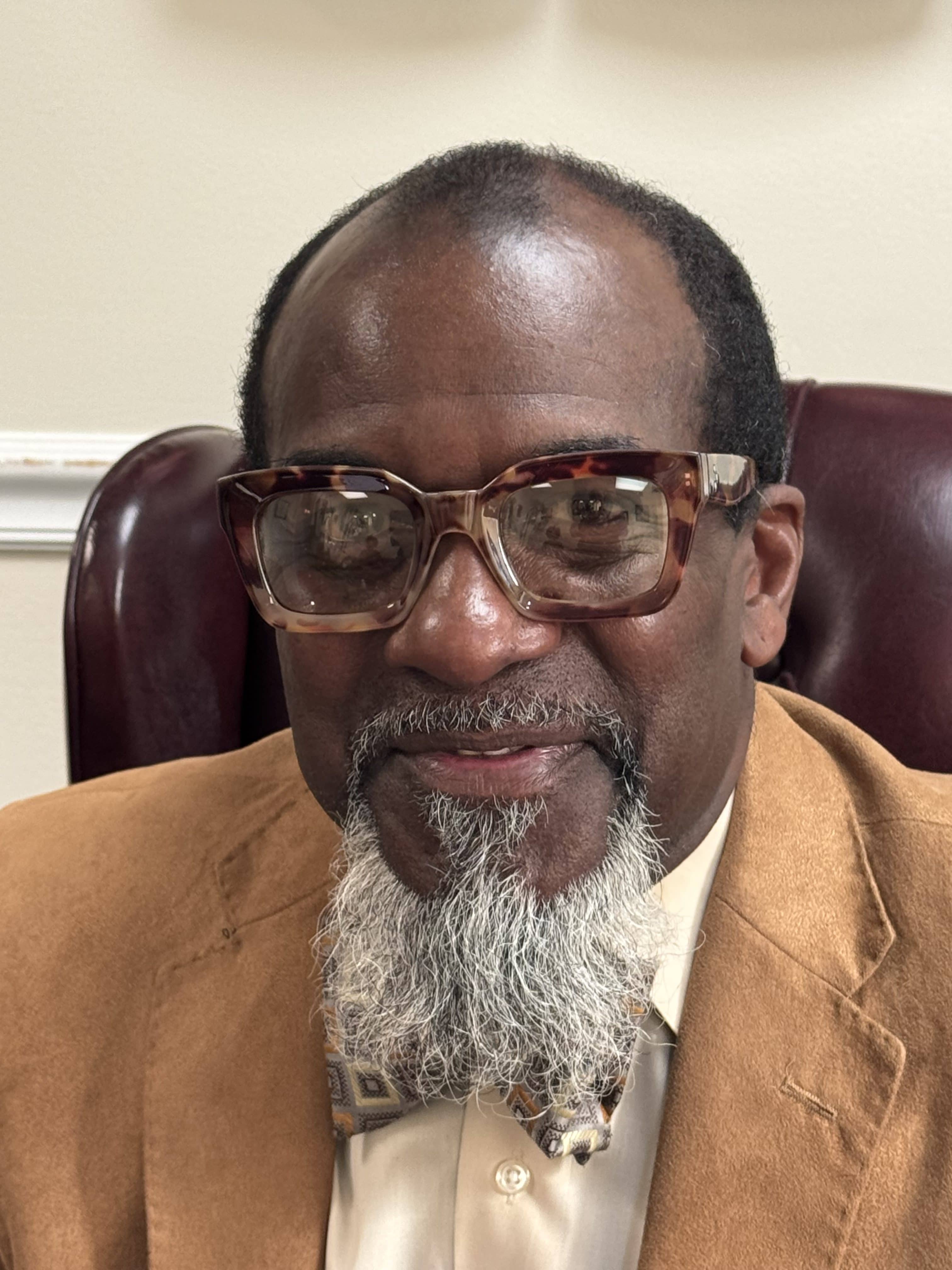 Rev. Gilbert Burgess
“Unity has always been a part of me growing up — is something that my parents instilled. And my attitude with our society today is that we are all one people, no matter how we look at it. And when we come around to this time of the year, I still question why do we have to have a Black History Month? Why can’t we just be level and enjoy one another? But understanding that there are different cultures and they want to celebrate. I understand. But for African-Americans, for me, I have a different perspective of it. Juneteenth, even, it’s a time of also remembering those days of slavery. And it almost to some extent is in my face as a reminder. Not the positive, but what once was that was not peaceful, not pleasant. And it still makes a lot of us uncomfortable. So when Black History Month rolls around…There are those who, my age, a little older, who had lived through some of the traumas and remembering that. For instance, today I mentioned Tulsa [in my sermon], something I could not ever imagine happening, but did happen. And to have to grapple with that. Even today, we’re finding ourselves kind of challenged with the division. It does make you kind of uncomfortable.”
And in fifty years? “There is a generation of people who have really, and I say this from a slang perspective, done with racism, they had enough of it. We’ve got interracial marriages across the globe, and I don’t see any of them saying ‘Okay, we’re going to have to split up.’ And there are people who are just in love with living with one another and enjoying life while there is a group of us who are still trying to go backwards. So what I would hope for or look for is that there will be a significant shift in this whole prejudice business. We may never be able to alleviate, get rid of, it completely, but at least there’ll be more people striving and living together as one people as opposed to the left and the right. So that’s what I would hope to see.”