By Mimi Santry
If you search for quotes about aging, you’ll find more dread than optimism.
• “Aging is no place for wimps.” — Bette Davis
• “You know you are getting old when everything hurts, and what doesn’t hurt doesn’t work.” — Hy Gardner
I was once given a book titled The Joys of Aging. When I opened it, the pages were blank. It was meant to be funny—but like many jokes about aging, it reflects a widely held belief: that growing older is a slow, inevitable decline marked by loss, limitation, and discomfort.The good news is that this narrative is becoming less true.
A Shift in How We Think About Aging
For much of modern medicine, healthcare has been focused on treating disease after it appears. Today, that model is changing.
There is growing emphasis on prevention, early detection, and lifestyle—exercise, sleep, nutrition, and social connection—all of which are now clearly linked to longer and healthier lives.
But beyond lifestyle, there is another shift that many families may not fully appreciate: innovation within the medical community itself is beginning to meaningfully change how we age.
In my work with families, one of the most common fears I hear is the loss of independence. What is encouraging is that many of these advances are not just extending lifespan—they are helping people stay active, engaged, and self-sufficient for longer.
To better understand what is actually making a difference, I spoke with several local physicians about what they are seeing in their practices.
What Doctors Are Seeing on the Front Lines
Helping Patients Stay Independent Longer
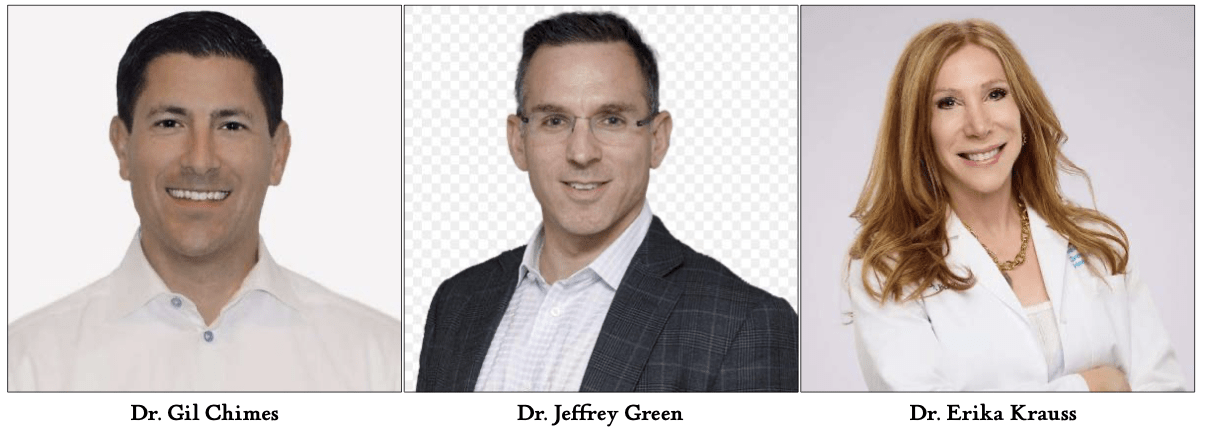
Dr. Jeffrey Green, Cardiologist
From his perspective as a cardiologist focused on keeping patients out of the hospital, Dr. Jeffrey Green has seen meaningful progress through remote patient monitoring.
“Remote patient monitoring (RPM) is an extraordinarily useful approach to managing patients with cardiac risk factors, particularly seniors. Devices can track weight, blood pressure, heart rhythm, and activity, and transmit that data between visits. This allows us to detect issues early and intervene before they become serious.”
In practical terms, this means fewer emergency room visits and greater confidence living independently at home.
For individuals without acute conditions, consumer devices such as smartwatches and wearable trackers are also increasing awareness of sleep, heart rate, and activity patterns—giving people more visibility into their own health than ever before.
Targeting the Biology of Aging
Dr. Erika Krauss, Internist & Integrative Medicine Specialist
Dr. Erika Krauss sees aging not as a fixed decline, but as a process that can be influenced—particularly through emerging therapies and smarter use of existing treatments.
One area generating interest is senotherapeutics, which target what are commonly referred to as “zombie cells,” known medically as senescent cells.
“These are aging, dysfunctional cells that accumulate over time and contribute to inflammation, frailty, and many age-related conditions. By targeting and removing them, researchers hope to reduce some of the physical decline associated with aging.”
Another promising area is the repurposing of existing medications.
“Drugs that were originally developed for one condition are showing benefits in others. For example, certain diabetes medications have been shown to support heart health and may improve energy production at the cellular level.”
There is also growing interest in how medications like GLP-1s may influence the brain’s reward system, with potential implications for reducing cravings and addictive behaviors.
At the same time, more coordinated care is helping address a longstanding issue for older adults: overmedication.
“Medication management has improved significantly, thanks to better-connected health systems. We’re better able to see the full picture and reduce unnecessary prescriptions.”
In my experience working with families, this issue—often called the “prescribing cascade,” where side effects are treated as new conditions—is more common than many realize. Improvements here alone can have a meaningful impact on both quality of life and clarity of care.
Restoring Strength, Recovery, and Vitality
Dr. Gil Chimes, Greenwich Sports Medicine
From a performance and musculoskeletal perspective, Dr. Gil Chimes is seeing increasing interest in therapies aimed at improving how people feel and function as they age.
“Some of the most promising approaches involve combining improvements in diet, exercise, and sleep with therapies such as peptide treatments and hormone replacement therapy.”
These approaches aim to support recovery, energy, and overall physical performance.
At the same time, it’s important to note that research in this area is still evolving, and these therapies are not appropriate for everyone. Careful evaluation, proper medical oversight, and individualized treatment plans are essential.
What is notable, however, is the shift in mindset—from simply managing decline to actively improving how people function.
“Patients often report that they feel stronger, more energetic, and more capable in their daily lives,” Dr. Chimes noted.
What This Means for Families
As Dr. Krauss aptly put it:
“The goal is no longer just to add years to life, but to add life to those years.”
For families navigating aging—whether for themselves or for loved ones—the takeaway is that the trajectory is changing.
The later years are no longer defined solely by decline. With the right combination of lifestyle, medical care, and awareness of what is available, many people are maintaining independence, mobility, and engagement far longer than previous generations.
In my work, I see firsthand how access to the right information—and the right professionals—can make a meaningful difference in both outcomes and peace of mind.
Aging is inevitable. But how we age is increasingly something we can influence.
And that is, without question, something to feel optimistic about.
Mimi Santry is a certified senior advisor and owner of Assisted Living Locators of Western CT. She works with families on issues of care and housing as they age.